Case Studies
Embark on a journey of innovation, strategy and efficiency. Our world-class analytics, engineering, and strategy solutions are crafted to optimize your logistics operations with precision and expertise.
We are driven by a passion for what we do. Our highly trained and continuously supported logistics talent is dedicated to transforming challenges into opportunities, ensuring seamless operations and unparalleled success. Partner with us and experience the difference professionalism makes.

Revolutionizing Logistics
Zero Waste Logistics provides unparalleled consulting services to businesses looking to optimize their logistics operations. Our team of experts brings extensive experience and cutting-edge expertise to every project, delivering innovative solutions tailored to each client's unique needs. Through a combination of rigorous analysis, strategic planning, and meticulous implementation, we help organizations reduce costs, increase efficiency, and minimize waste in their supply chain. At Zero Waste Logistics, we are committed to driving sustainable success for our clients by maximizing the value of their logistics operations.
Our case studies speak for themselves; check out how we have optimized the logistics operations of various industries below.







Problem
Role
Goals
Results

Industrial Manufacturer – Logistics Metrics Development
Problem Statement
A large industrial manufacturer had recently implemented a TMS and struggled through poor data quality that resulted in a gap in reliable cost and service metrics. The TMS was missing most basic metrics. Some examples of these missing metrics are on time delivery, on time ship, and freight cost vs. market cost.
Roles
Project Management and Logistics SME
Tableau Deployment
Goals
Ensure that proper Metrics were available to monitor Logistics service and cost
Use historic data to replicate metrics developed during project to past data, creating ability to immediately do trend analysis from prior to TMS go live
Train staff to maintain and extend Tableau reporting dashboards
Results
ZWL developed a complete set of metrics based on industry best practices. ZWL created metrics retroactively to TMS launch with trend analysis available; along with training material, standard work, and trained staff in the industrial manufacturer to own the metrics post-project.
Service Metrics
On Time Pick-up
On Time Delivery
On Time Loading
Daily Alerts
Compliance Metrics
Routing Guide Compliance
Lane Commitments
Transit Times Variance
Schedule Variance
EDI Data Compliance
Freight Cost Metrics
Cost per Pound — trends
Cost per Mile — trends
LTL Consolidation — metrics
Mode Shift — metrics
Rates vs. Market — trends
Network Stats
Average Weight
Average Distance
Variability Statistics
Ad Hoc reporting
Insourced Dedicated Fleet Management
Problem Statement
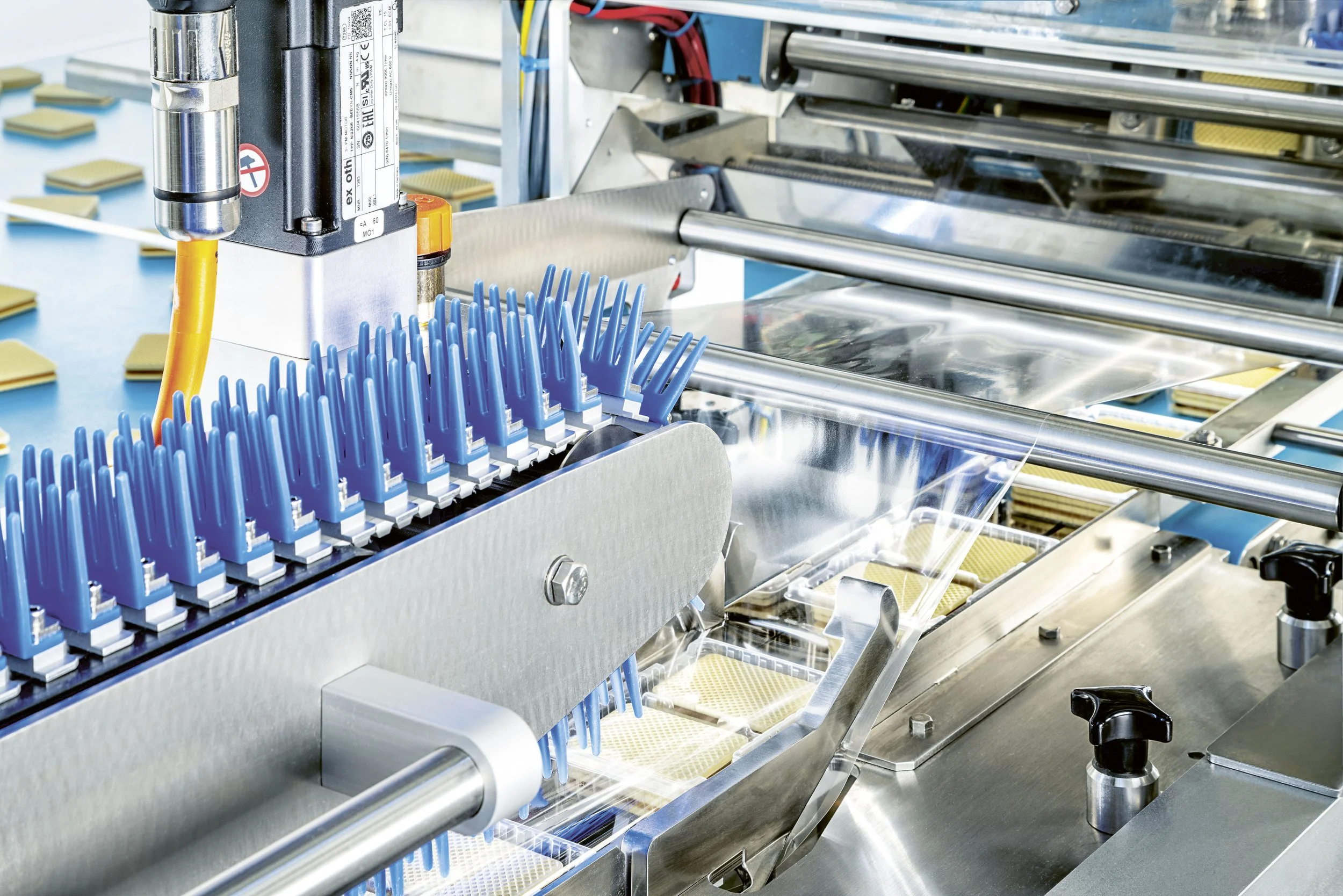
This food packaging company had higher than market freight costs with unacceptably low service levels. They had no internal capability to engineer and manage dedicated routes to drive down cost. With a regionally controlled network, they also had limited ability to source system-wide capacity to meet demand.
Roles
Dedicated fleet modeling, design
Freight purchasing strategy, RFP and sourcing
TMS design, configuration, and implementation
Goals
Lower cost of transportation through dedicated fleets
Improve service, response time and cost
Develop internal capability to manage dedicated fleets
Results
We brought tools to design and manage dedicated routes within the transportation management system used internally; converting one-way lanes into engineered sets, able to complete a drivers work-week and bring committed capacity to the logistics network.
Order Fulfillment Process Engineering Service Level Improvement
Problem Statement
Sever order backlogs, poor communication between functions and spotty customer communication all characterized the fulfillment process of a major food distribution supplier. They had excess warehouse labor cost and transportation costs due to short lead times. Finally, they had excess internal staff time needed to resolve issues caused by poorly integrated processes. SG&A was too high, service was too low, variable costs were too high and no one was happy.
Role
Design an order fulfillment process to level load orders and accommodate peak demand and short lead times.
Program manage implementation of a complete logistics solution; across all functions.
Goals
Resolve excessive backlog of orders due to labor shortages and surging demand.
Design logistics processes to accommodate short order lead times for priority customers.
Improve on time delivery to the original requested delivery date
Establish minimum lead times needed to achieve best possible service and lowest delivered cost
Results
The order backlog was eliminated, service levels returned to acceptable levels, internal excess management staff was re-purposed and freight costs were lowered.
Service Level and Lead Time Optimization
Problem Statement
A food industry producer’s logistics model was not equipped to manage demand swings and lacked the execution discipline required to implement a strategy that achieved the retailer’s on time in full expectations.
Role
Develop a logistics strategy capable of managing volatile demand.
Lead implementation of the logistics strategy to achieve on time in full requirements.
Goals
Develop a logistics strategy that meets on time in full requirements while preventing failures.
Control logistics costs to preserve service levels and profitability.
Redesign warehousing, fulfillment, and transportation processes to align with major retailers’ service levels.
Build customer service and logistics capabilities to execute the new operating model.
Results
On time in full targets were achieved throughout the first year of operation. Logistics costs were controlled and incorporated into pricing agreements. Customer service and logistics teams were trained to execute the new fulfillment strategy effectively with consistency.
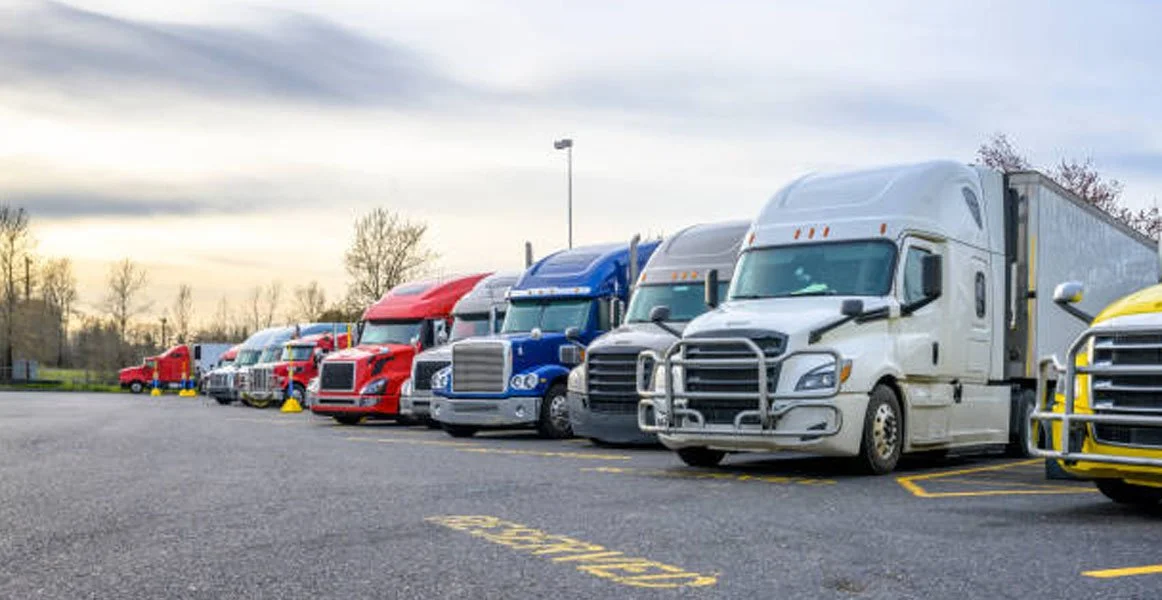
Restaurant Distribution – Private Fleet Engineering
Problem
A popular quick serve coffee and breakfast chain had a stressed network, experiencing overwhelming growth; scaling beyond six thousand restaurant locations nationwide. This put a severe strain on their logistics network. They were beyond capacity for trucks, labor and warehouse space. Rapid growth put a strain on internal resources of the company, which resulted in:
Excessive costs on the geographic outskirts of the network
Service failures throughout the network
Internal teams strained with service failures and no time to engineer network expansions
Role
Project management and logistics SME
TMW-Transportation Modeler Application SME
Goals
Model logistics network able to meet expanding demand in fast growth regions of the country
Realize reduced cost and improved service through newly engineered warehouse capacity and fleet designs
Results
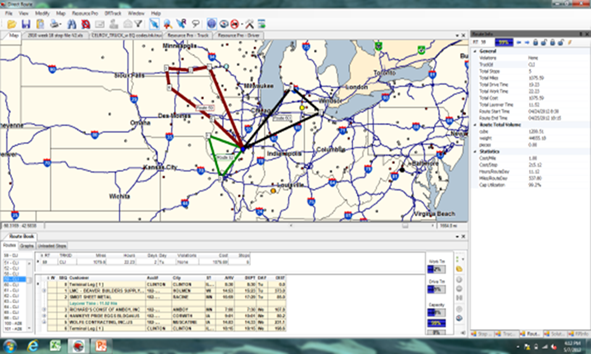
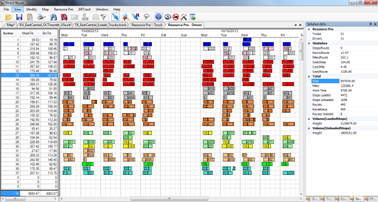
As an extension of their engineering team, we completed redesigns of all major regions to reset the network footprint to meet expanding demand; while optimizing the fleet route design system-wide to meet service levels and drive down costs.
Materials Producer – Private Fleet Engineering

Problem
The company operated an aging fleet. There was no benchmarking or efficiency assessment. In addition, leadership needed an evaluation of the current fleet against best practices and model an optimized network.
Role
Project management and logistics SME
TMW transportation management application SME
Goals
Reduce fleet operating costs materially
Improve service for end customers
Optimize fleet throughout the transportation network
Results
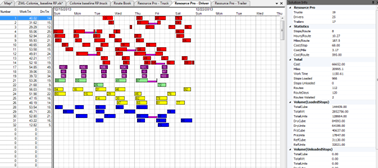
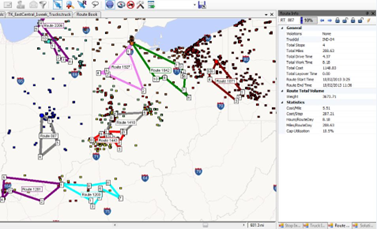
Optimized route designs were developed to improve service and reduce cost. As a result, the company achieved a 13% cost reduction. Driver rationalization and route optimization were the primary value creation areas realized.
Materials Producer – Private Fleet Engineering
Problem
A materials producer had local/regional freight control with no corporate procurement or oversight in place. Their freight central procurement processes needed developed and implemented, along with building the team capable of permanently managing the spend.
Role
Logistics Buyers and Carrier Management
Transportation and Cost Analysts
Project Management
Goals
Lower freight costs on TL, LTL and IM spend
Design and implement permanent corporate transportation procurement team
Select technology providers for bidding, metrics, and ad hoc reporting.
Track actual year over year savings, monthly & report
Results
We Achieved 11% cost reduction on RFP action and $6.9M annual savings. Savings were in 5 categories: Strategic Bids, Routing Guide Optimization, Service Optimization, Modal RFPs and Quarterly Bids.
Logistics Transformation PMO – Case Study
Problem Statement
The company lacked formal project controls, governance, and management standards to support enterprise transformation. At the same time, operational leaders and staff were stretched thin, balancing daily execution responsibilities while also attempting to manage complex change initiatives. This created inconsistent decision-making, limited accountability, and execution risk across critical programs.
Role
Supplement the leadership team with experienced project and program management professionals.
Establish governance, project controls, reporting standards, and execution disciplines across transformation initiatives.
Provide structure and day-to-day leadership support to enable operations teams to remain focused on running the business.
Goals
Implement project governance and management standards across the transformation portfolio.
Relieve operational leaders from day-to-day program management responsibilities.
Improve visibility, accountability, and decision-making across business unit initiatives.
Support successful deployment of warehouse and transportation management systems.
Results
A formal PMO structure was established to improve governance, execution discipline, and cross-functional alignment. With dedicated project and program leadership in place, the company successfully deployed multiple WMS and TMS solutions across several business units. Operations teams remained focused on business performance while transformation initiatives advanced on schedule and with greater consistency.